Webinar: The Next Evolution of QAInsight – Discover What’s Coming in 2.0
Join us for a first look at QAInsight 2.0, the latest evolution of our powerful QA/QC workflow management software. Register Now!

Join us for a first look at QAInsight 2.0, the latest evolution of our powerful QA/QC workflow management software. Register Now!

During this presentation, ESC Spectrum’s experts will explore the new features and enhancements to the StackVision Data Acquisition System. Register Now!
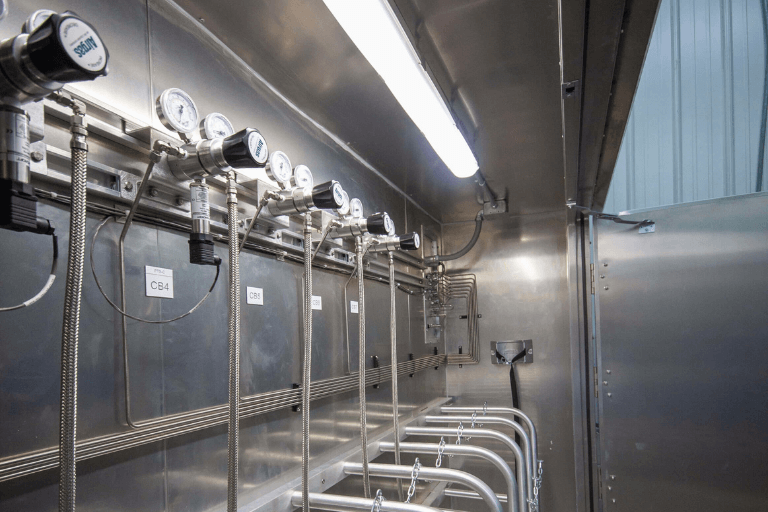
Accurate air emissions calibration testing is essential for maintaining compliance and ensuring reliable CEMS performance. This blog breaks down daily and quarterly calibration test requirements, explains how offline calibrations are used, and clarifies what causes out-of-control data.

ESC Spectrum is now part of Alliance Technical Group, combining forces to deliver the most comprehensive CEMS and DAS compliance platform in the industry. This strategic acquisition strengthens our ability to serve customers with expanded resources, nationwide support, and end-to-end environmental solutions.
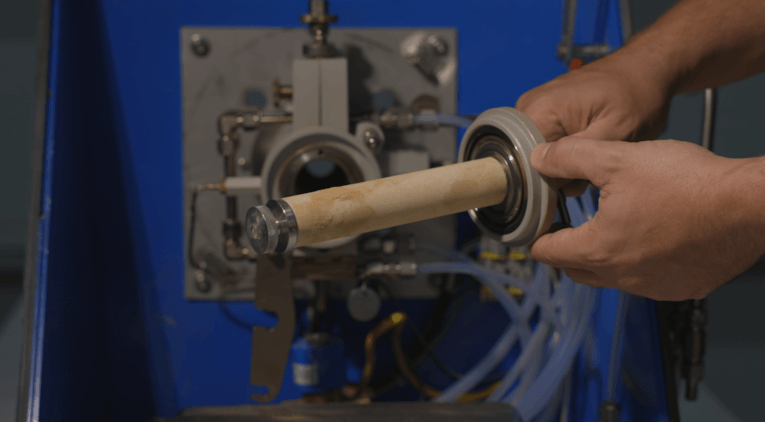
CEMS probes are the first point of contact with the gas sample line in your emissions monitoring system. Discover why routine maintenance is critical—and how to do it right.
In this article, read about where you can locate your plant’s CEMS Probes, Flow Probes & Opacity Units on your stack unit & what EPA regulations apply to them.

Regular CEMS filter maintenance is one of the easiest, and most effective, ways to ensure accurate emissions data and keep your system running smoothly. This article covers why filter care matters, and best practices to keep your system running smoothly year-round.

Discover the top causes of CEM system failures and how to prevent them. Get expert troubleshooting advice and maintenance strategies to reduce downtime.
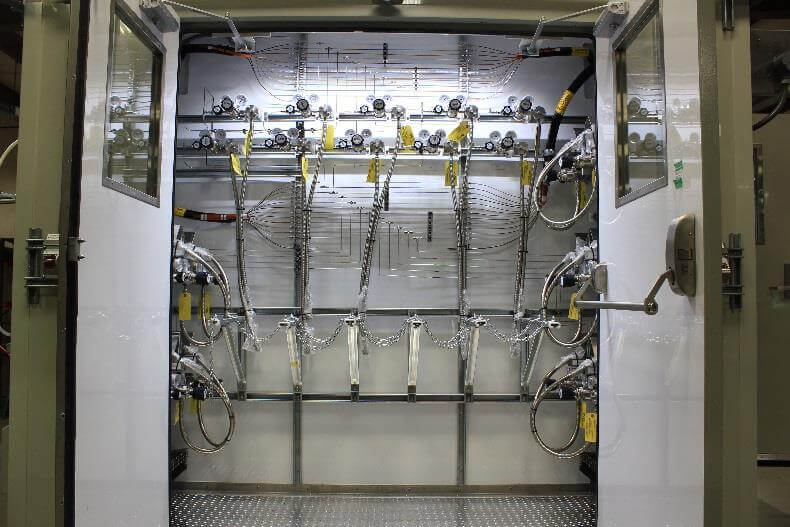
This article will discuss and clarify calibration gas requirements for CEMS users including, system calibration, cal gas bottles, and more.
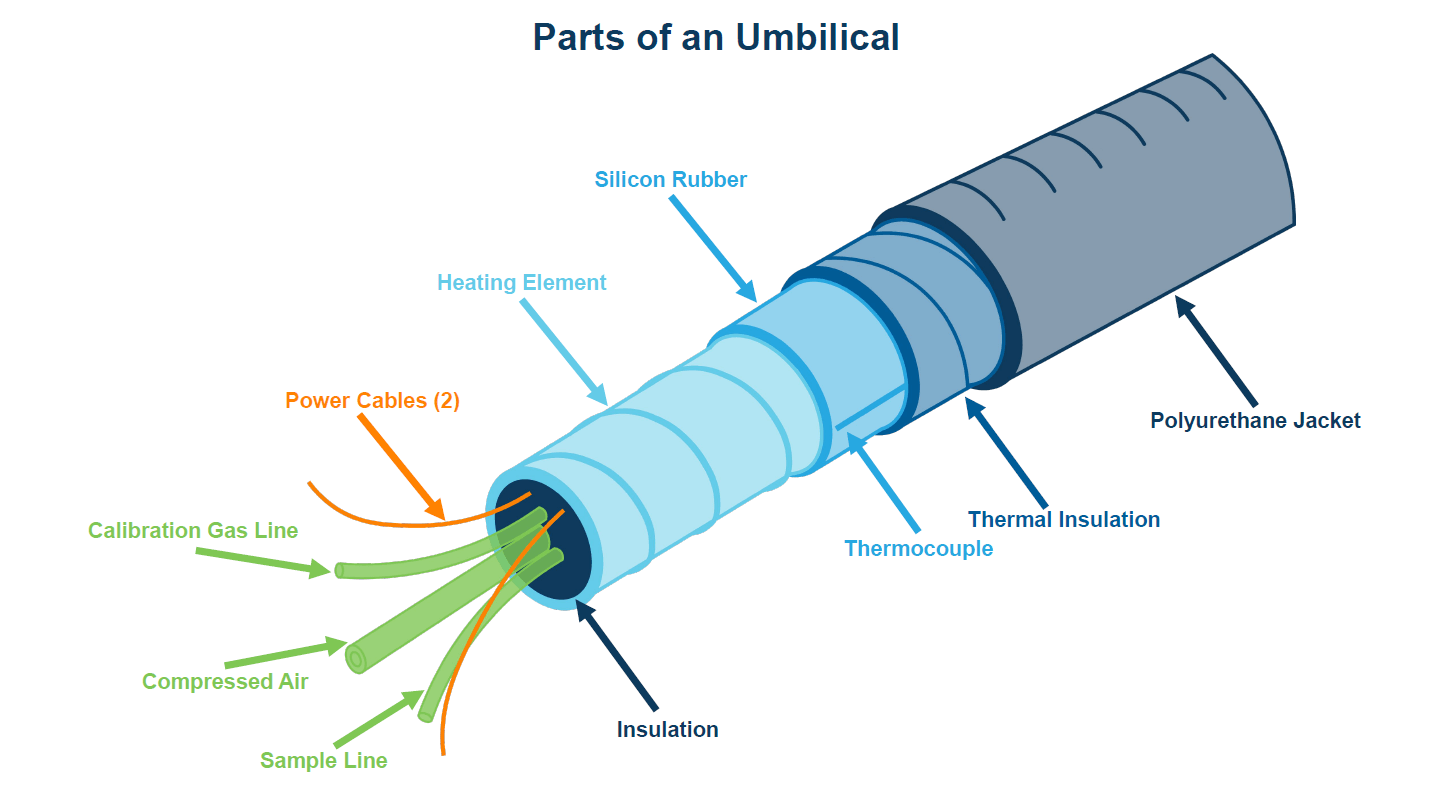
Read this article to learn more about extractive CEMS umbilicals, from construction and installation to maintenance best practices.

Learn about what a Relative Accuracy Test Audit (RATA) is and what measures to take leading up to your test, the day of, and afterwards.
ESC Spectrum, a leading provider of environmental compliance solutions, is excited to announce the successful demonstration of Integrated Path CEMS for air emissions monitoring and reporting.

Mark your calendars and get ready for our 2025 User Group & Training. Join us at the Hilton Pensacola Beach Resort in sunny Pensacola, FL. More details to follow!

Join us on May 19 from 8 AM – 5 PM for exclusive training sessions provided by ESC Spectrum CEMS and regulatory experts. This event will feature two sessions: CEMS Maintenance Best Practices and Regulatory Training for CEMS Technicians. Register Now!
ESC Spectrum is excited to introduce Interim Reporting Services, designed to help facilities maintain compliance during short-term staffing challenges. Our expert team provides support with data review, permit compliance, QA/QC management, and more—ensuring critical reporting obligations are met accurately and on time.

CEMS downtime can lead to compliance risks and operational inefficiencies. This guide covers essential strategies for maintaining hardware, upgrading systems, and managing spare parts to minimize disruptions. Field Service Technician V and SME John Cutaia shares how to keep your Continuous Emissions Monitoring System (CEMS) operating efficiently with proactive maintenance and timely upgrades.
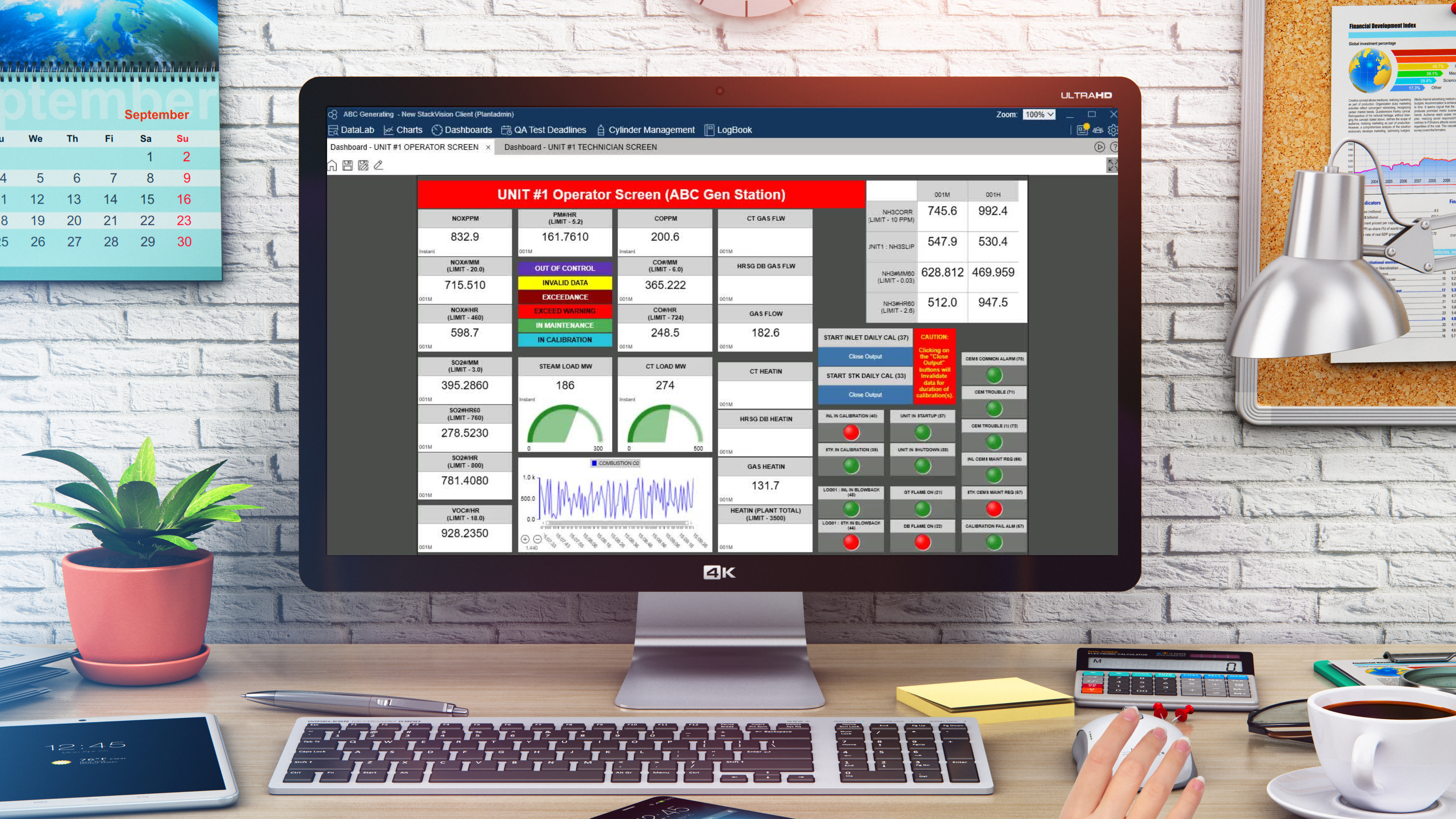
Upgrading your Data Acquisition System (DAS) isn’t just about staying current—it’s about improving efficiency, ensuring compliance, and reducing costs. Whether you’re facing outdated technology, new regulations, or inefficiencies, the right DAS can streamline operations and enhance data visibility. Learn the key signs that it’s time for an upgrade and how a modern system can maximize your ROI.
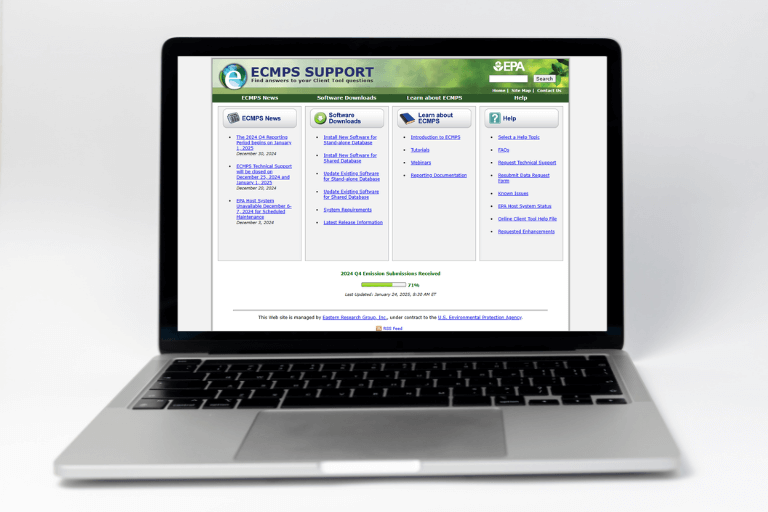
Learn about the latest ECMPS 2.0 updates from the EPA, key changes, and how ESC Spectrum is helping you stay prepared.
This blog dives into Part 60 and Part 63 reporting requirements, specifically focusing on Semiannual Excess Emissions and Monitoring Systems Performance Reports.

Accurate fuel gas sulfur tracking is critical in the oil and gas industry to meet regulatory standards, protect equipment, and reduce environmental impact. This blog explores challenges in monitoring sulfur content, methods like Continuous Emissions Monitoring Systems (CEMS), and how advancements in technology help industries achieve precise and reliable sulfur management.
The Data Assessment Report (DAR) is a crucial but often overlooked component of CEMS audit compliance. This guide breaks down what needs to be included, from quarterly accuracy results to EPA audit sample requirements, helping you keep up with regulations and streamline your reporting process.
Read this post to discover how Tail Gas Treatment Units (TGTUs) help refineries meet stringent sulfur recovery and emissions control standards. This blog covers essential TGTU technologies, regulatory requirements, and the vital role that TGTUs play to improve sulfur recovery efficiency.
Read this post for a deeper understanding of the certification requirements for PM CEMS, with a special emphasis on the PS-11 Correlation.

This blog explores the critical role of staged flares and valve positioning in refining operations, highlighting their impact on emissions monitoring, compliance with EPA regulations, and overall operational efficiency through the use of StackVision DAS.
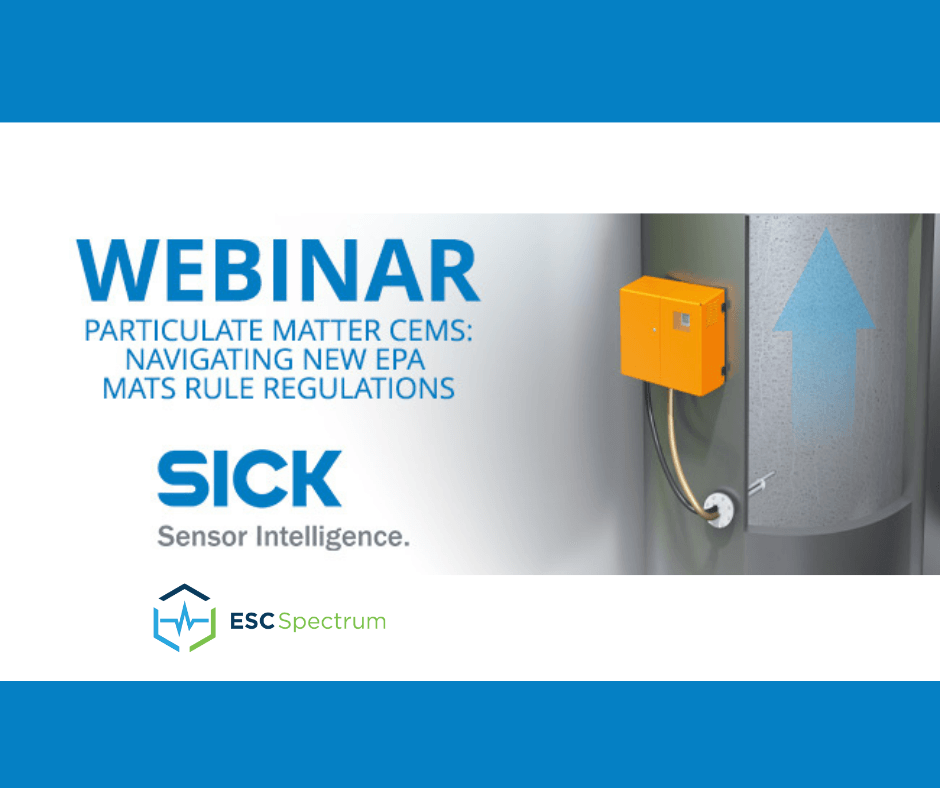
Join SICK Sensor Intelligence for a webinar, “Particulate Matter CEMS: Navigating New EPA MATS Rule Regulations,” where experts will discuss the latest regulatory updates and how innovative solutions ensure compliance with new standards. We’re excited to announce that Bobbi Greenwalt, Proposal Engineering Manager at ESC Spectrum, will be a guest panelist alongside industry leaders from SICK USA.

Learn how thermal oxidizers operate alongside data acquisition systems to ensure EPA compliance and accurate data collection in refineries.
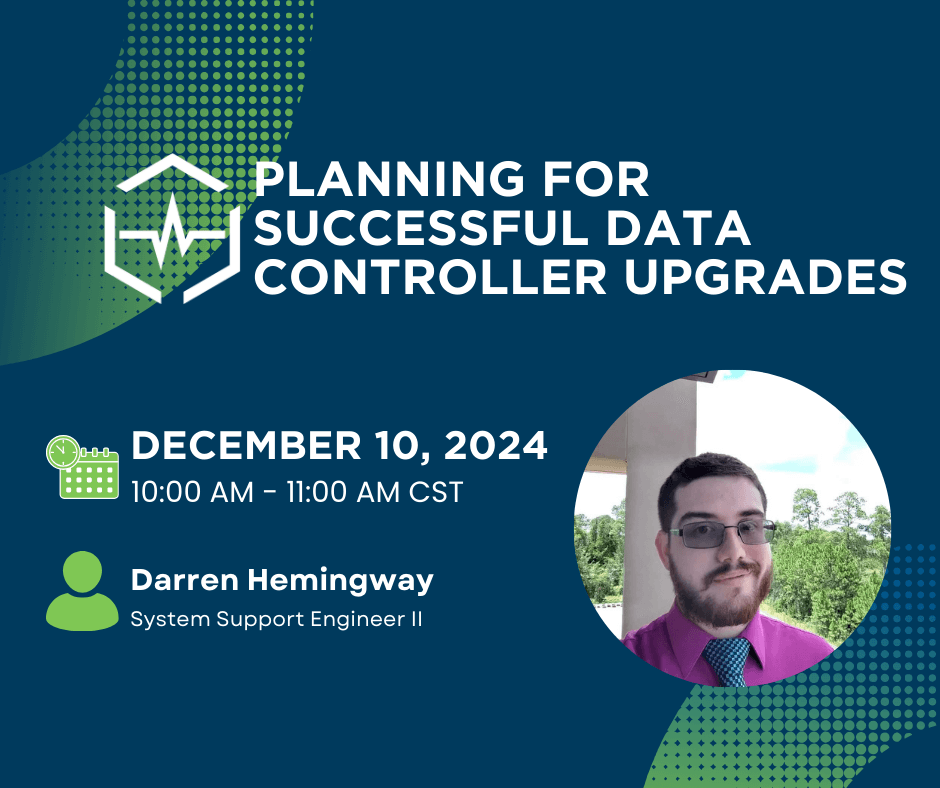
During this presentation, Darren will explore the different types of Controller upgrades, the Benefits of upgrading your Controller, and some tips for a pain-free controller upgrade on StackVision systems.
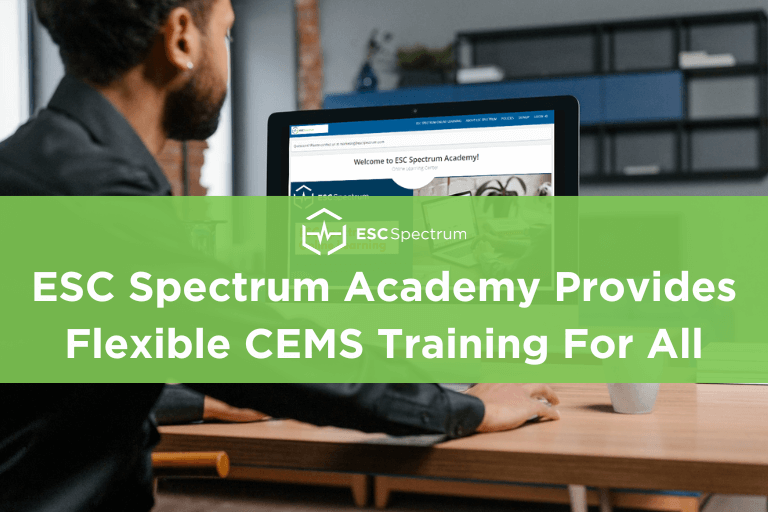
Designed with technicians’ busy schedules in mind, the self-paced, online CEMS training empowers techs to learn best practices without interrupting daily operations.
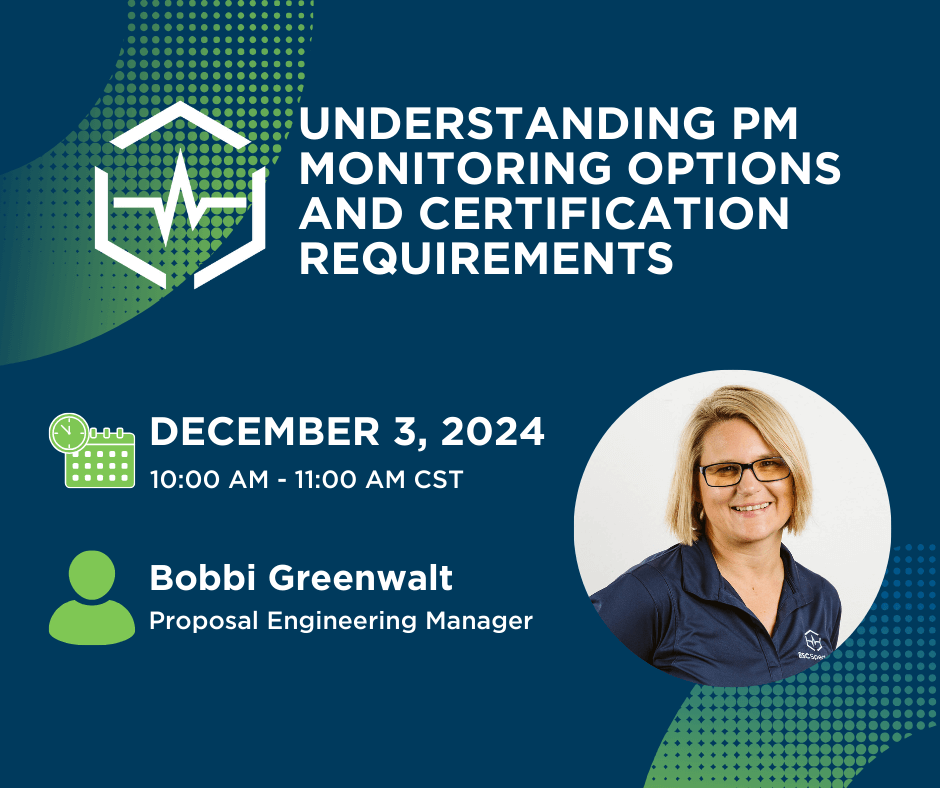
Join our Proposal Engineering Manager, Bobbi Greenwalt, for an overview of Particulate Matter Continuous Emission Monitoring Systems (PM CEMS), focusing on the available monitoring technologies and vendors in the market.
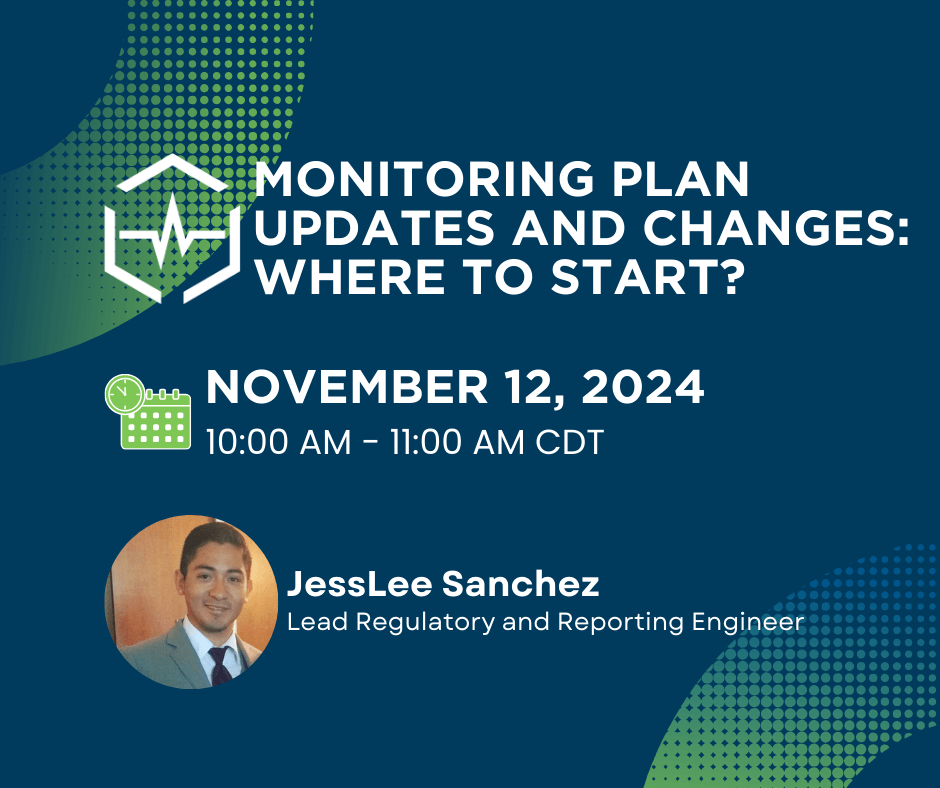
Monitoring plans are crucial in ensuring compliance and accurate reporting of air emissions. One of the most critical aspects of managing a monitoring plan is keeping it current. In this webinar, Lead Regulatory and Reporting Engineer JessLee Sanchez will cover best practices for updating or changing your facility’s Monitoring Plan.
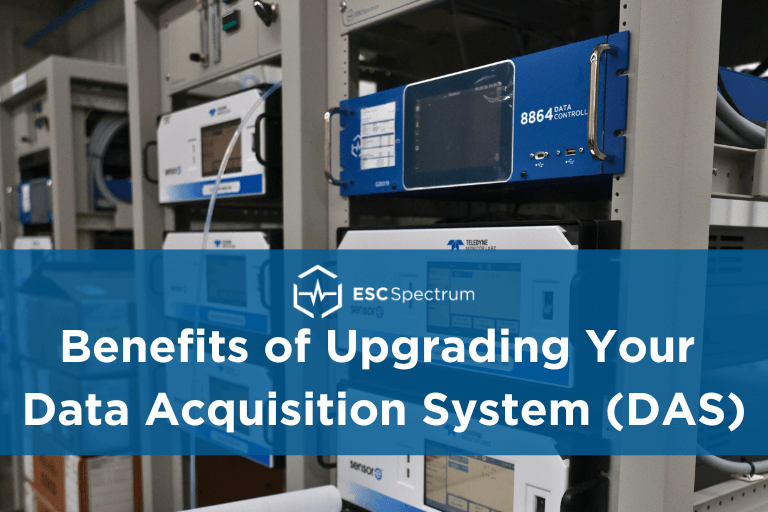
In today’s regulatory landscape, ensuring air emissions compliance is crucial. A reliable and robust Data Acquisition System (DAS) plays a pivotal role a Continuous Emissions Monitoring Systems (CEMS). Upgrading your DAS offers numerous benefits, read more to explore the advantages of upgrading and what you can expect from the DAS changeout process.
Learn how integrating our Data Acquisition System, StackVision, improves Sulfur Recovery Unit (SRU) emissions monitoring, ensuring EPA compliance and easing difficulties with data collection in refineries.

ESC Spectrum’s 2024 User Group in Pensacola Beach set a new attendance record and hosted some of the most substantial training sessions to date.
We’re excited to announce the release of Prism Version 2.0! This release provides new features designed to make CEMS compliance and monitoring easier and more productive than ever.
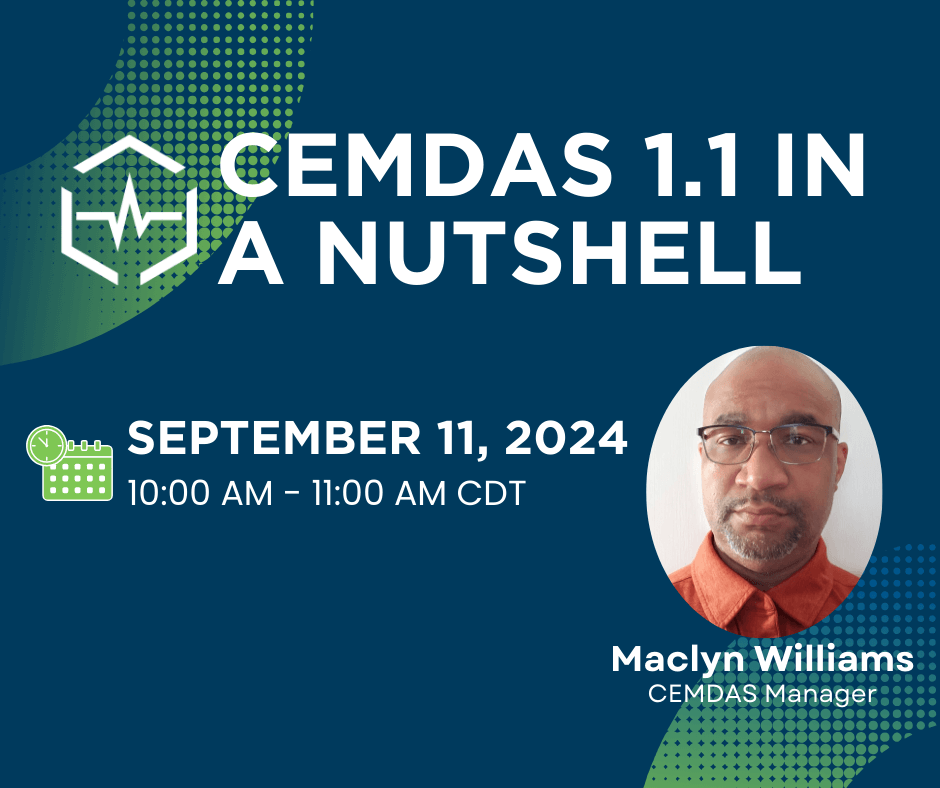
Join our CEMDAS Manager, Maclyn Williams, for a look at CEMDAS 1.1’s new features and enhancements.

This blog post examines the challenges and solutions of monitoring flare gas flows within industries like oil and gas, chemical processing, petrochemical, and refining. Explore how advanced technologies along with innovative monitoring systems, ensure accurate measurements, regulatory compliance, and operational efficiency.

This blog post examines a series of 2024 EPA Regulations on Ethylene Oxide and explores how Continuous Emission Monitoring Systems (CEMS) can help facilities navigate these new standards.