
ECMPS 2.0 Re-Engineering: Current Status and Recent Updates
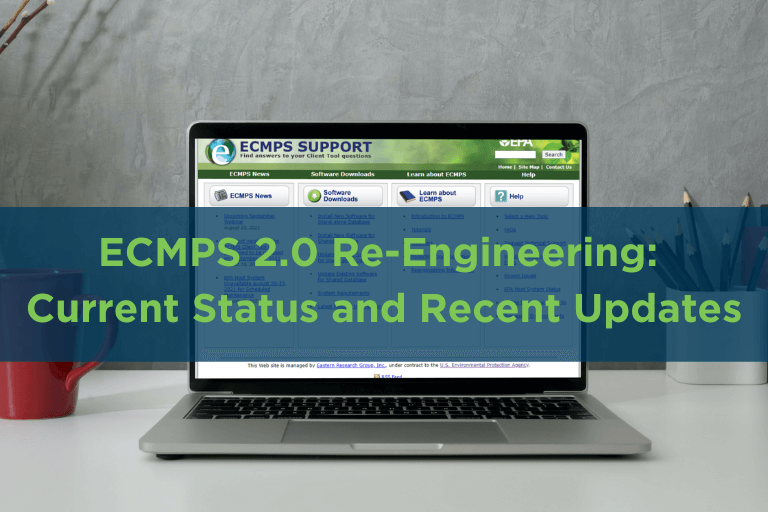
Following Chris Worley’s (EPA) Fall 2023 User Group Presentation, we have compiled the most relevant information for an update on the status of the ECMPS 2.0 Re-Engineering Project.
8864 Data Controller: Best Practices
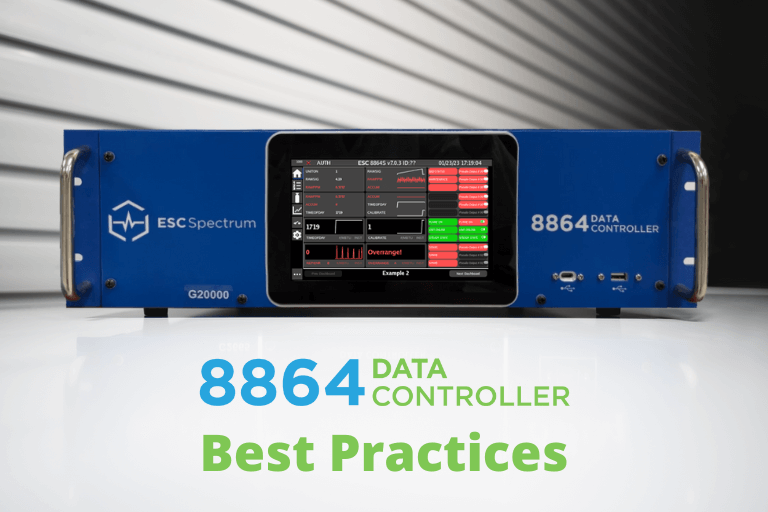
The 8864 Data Controller is a powerful tool used for monitoring and collecting environmental data in industrial applications. To make the most out of this device, it’s essential to follow best practices to ensure efficient and reliable operation. In this blog post, we will explore the 8864 Data Controller and discuss best practices for it.
Monitoring Plans: Ease Stress During Reporting Month
Monitoring plans are far from a one-and-done document. Rather than it being a dusty old file sitting in the archives of the plant computer, your monitoring plan should be changing in step with your plant operation. While not overly time-consuming, this small check can save you a major headache during reporting months.
Continuous Emissions Monitoring 101: Oxygen & Flow Analyzers
Read this article to learn more about two of the most reliable analyzers in the CEMS world: oxygen and flow.
The EPA’s Good Neighbor Plan – Response to Judicial Stays

On July 31, 2023, the US EPA issued a final action to address emission sources affected by judicial stays of the Good Neighbor Plan in the following states: Arkansas, Kentucky, Louisiana, Mississippi, Missouri, and Texas. Read our article to learn more about how these final actions might affect your facility.
Continuous Emissions Monitoring 101: CO Analyzers
Read this article to learn more about CEMS Analyzers, specifically NDIR technology used to measure Carbon Monoxide (CO).
Continuous Emissions Monitoring 101: SO2 Analyzers
Read this article to learn more about Pulsed Fluorescence technology in CEMS analyzers used for measuring Sulfur Dioxide (SO2) gas.
Understanding Monitoring Plans: A Comprehensive Overview
Monitoring plans play a crucial role in ensuring compliance and accurate reporting of air emissions. Whether you are familiar with monitoring plans or new to the concept, this blog post aims to provide a high-level overview of their significance, components, and upcoming changes. By the end, you will have a better understanding of what monitoring plans entail and why they are essential.
The EPA’s MATS Residual Risk & Technology Review Proposed Rule: Key Takeaways
Read this article for key takeaways about EPA’s proposed rule to address findings from the Residual Risk & Technology Review for MATS.
Continuous Emissions Monitoring 101: NOx Analyzers
Read this article to learn more about NOx Analyzers, how they measure NOx through Chemiluminescence, and how to maintain your NOx analyzer.
Continuous Emissions Monitoring 101: Air Clean Up Systems
Read this article to learn more about CEMS Air Clean-Up Systems in the CEMS cabinet or shelter, such as preventative maintenance & components.
ECMPS MATS Reporting Conference Call (March 15, 2023): Key Takeaways
Following the EPA’s conference call on March 15, ESC Spectrum compiled the Key Takeaways regarding ECMPS MATS Reporting.
Continuous Emissions Monitoring 101: Sample Conditioning Systems
Read this article to learn more about CEMS sample conditioning systems, located in the CEMS cabinet or shelter.
Upcoming EDR Format and MATS Reporting Changes
Read this article for a review of these new reporting instructions to ensure you understand any changes that may need to be made in Monitoring Plan records, QA files, or emission files.
Continuous Emissions Monitoring 101: Extractive CEMS Probes
Read this article to learn more about extractive CEMS Probe processes, steps, and components from industry experts.
Portable CEMS: The Search for Accuracy
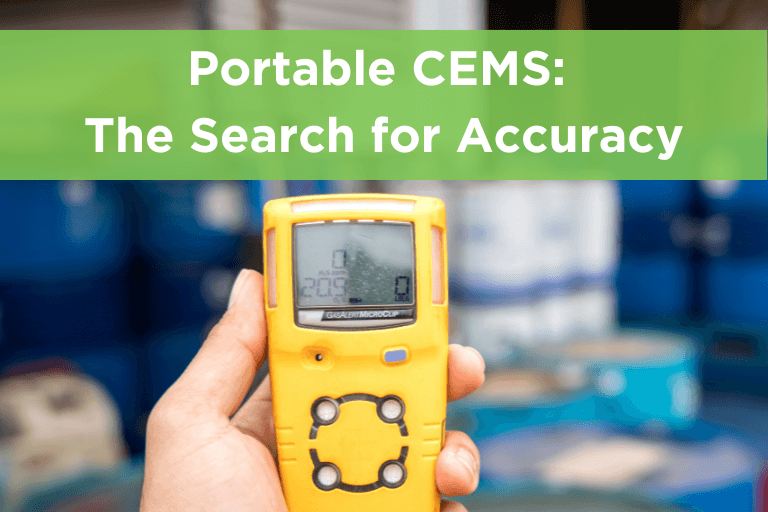
In this article, we will cover the key takeaways when shopping for a portable gas analyzer (portable CEMS) to measure emissions.
Continuous Emissions Monitoring 101: Extractive CEMS Flow Overview
Read this article to learn more about extractive CEMS flow processes, steps, and components from industry experts.
How to Enter Gross Calorific Value (GCV) & Ensure It Applies to Hourly Data
In this article, learn how to use StackVision and Prism to enter Gross Calorific Value (GCV) and ensure that it applies to your hourly data.
ECMPS 2.0 Re-Engineering: Key Takeaways
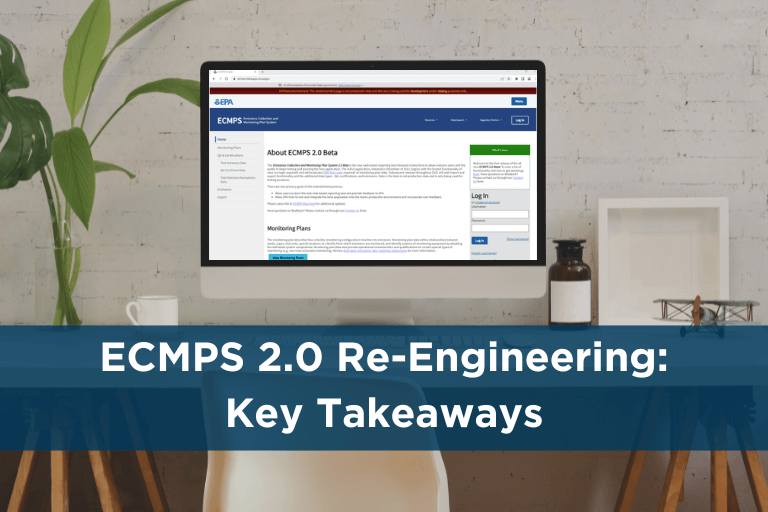
In this article, we outline all of the latest updates with the ECMPS 2.0 tool for submitting monitoring plans, QA data, and emissions data.
QAQC Manuals: What You Need to Know
In this article, we will outline requirements and discuss the elements a good QAQC Manual typically includes.
Resubmitting Data to ECMPS
While resubmitting data can seem intimidating, it does happen from time to time. This article covers helpful tips for such a process.
Continuous Emission Monitoring System: Upgrade or Replace?
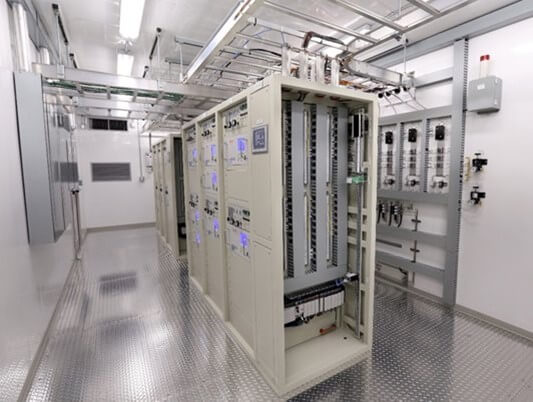
Are you upgrading or replacing a Continuous Emission Monitoring System? Read more to learn which one is right for your facility so your CEM System is up to date with the latest technology.
How to Avoid Errors With the Right ECMPS Evaluation Selections
Learn more about the valuable lessons our Reporting Engineers have learned while working with ECMPS to achieve the best results.
Using a Data Acquisition System for Greenhouse Gas (GHG) Emissions Compliance

Learn more about Greenhouse Gas (GHG) emissions and how using a Data Acquisition System can help you stay in compliance.
Keep Your QAQC Plans Up-to-Date to Keep Your Facility Safe (and Audit-Ready)

Learn more about why it is important to keep your facility’s QAQC plan up-to-date, both for facility safety and audit preparedness.
Increasing Demand for Ethanol Affects Your Monitoring Systems

Read about how the increasing demand for ethanol can affect your continuous emissions monitoring system components at your ethanol facility.
Update on 40 CFR 63 Subpart YYYY – Formaldehyde Emission Standards

This blog post discusses updates on 40 CFR 63 Subpart YYYY including changes, who is subject to YYYY, facility limits and more. Compliance with changes is required within 180 days of March 9, 2022 (i.e., September 6, 2022).
How to Successfully Navigate July Reporting Month
July is the second busiest reporting period of the year; read our guide for tips and tricks to make reporting month feel like a breeze!
What the April 2022 Cross State Air Pollution Rule Federal Implementation Plan Means

Recent changes have been proposed by the Environmental Protection Agency (EPA) regarding the CSAPR Federal Implementation Plan. These proposed changes would have significant impact on industrial plants.
An Inside Look at Ethanol Regulations in the CEMS World

The 2007 EPA 40 CFR Part 60 permits’ rule about chemical process plants changed ethanol regulations for CEMS. After 15 years since this rule change, it could be time to update your ethanol plant’s emission monitoring system and possibly look for a DAS that helps comply with 40 CFR Part 60 regulations.
How to Make Quarterly Reports Easier

Do you usually wait until the end of the quarter to begin generating your quality assurance and hourly emission files? Learn how to improve your Quarterly Report submission process with a few simple suggestions from our Senior Regulatory Specialist.
ECMPS Re-Engineering Update
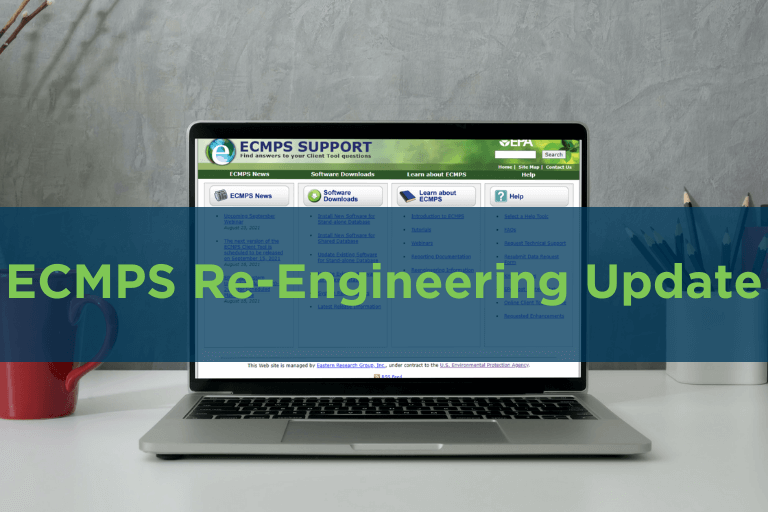
The ECMPS Re-Engineering Update includes an extension to the current beta testing period through the end of December 2023. Chris Worley, team leader for the ECMPS Re-Engineering project shares the upcoming changes. Read more below about the update and see how ESC Spectrum Reporting Services can help.
CEMS Analyzers: What They Are and How to Maintain Them

As your facility’s continuous emissions monitoring systems age, it’s vital to keep up with CEMS analyzers to avoid the potential risks of downtime and fading reliability.
Environmental Compliance Emissions Reporting Requirements
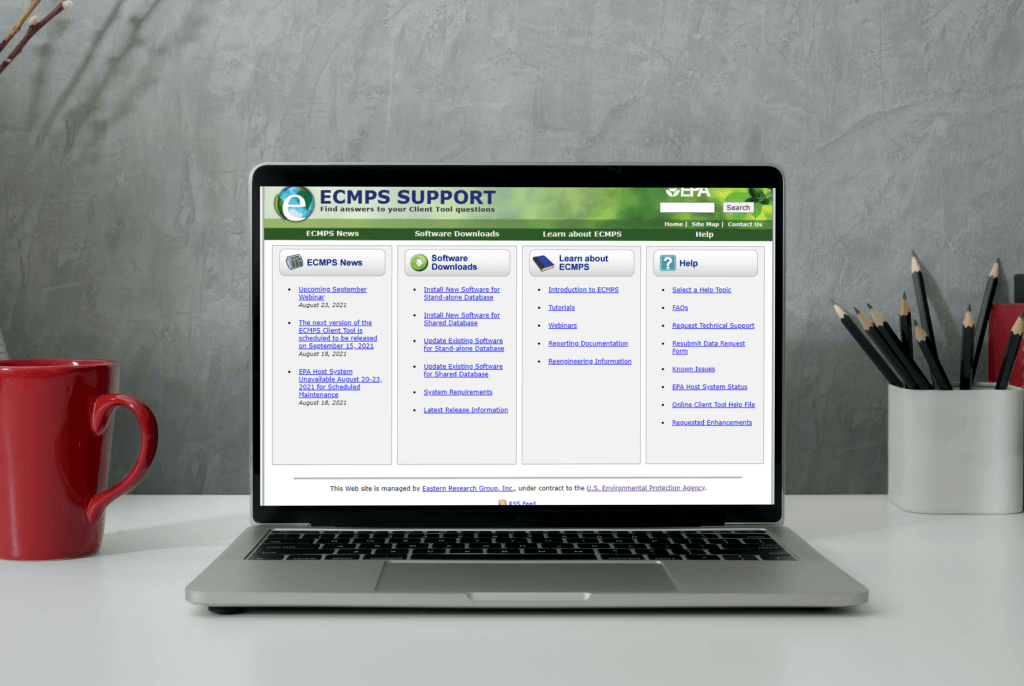
Learn how to keep up with quarterly reporting deadlines so your facility can maintain its environmental compliance requirements.
What are Title V Operating Permits?

Learn about the Environmental Protection Agency’s (EPA) Title V Operating Permits for emissions sources and how to comply.
New to CEMS? This One’s For You!

Being the new guy in any position can be overwhelming, and that is no exception for the continuous emissions monitoring (CEMS) and environmental compliance world. You may find yourself in a situation you didn’t plan on; maybe you are thrust into a new role or job because someone is out sick, or an unfamiliar assignment lands in your lap. Whatever the reason, there are many resources out there for those new to environmental compliance.
Don’t Skip The Factory Acceptance Test (FAT)

The purpose of a FAT is to verify that equipment/software for a new project is working properly prior to installation. While FATs are not required, they are certainly a very important step in ensuring a successful project.
Reporting Month: Key Air Compliance Lessons Learned

Once the fourth quarter’s reporting window has closed, there is finally an opportunity to reflect on the past year. We compiled a list of air compliance lessons learned, based on customers’ feedback.
RATA Load Analysis Errors and How to Avoid Them

Load Analysis Errors are usually discovered after a RATA test has been conducted and can lead to hundreds of hours of invalid data. To avoid this error at your facility, learn about some of our best practices to consider when planning your next RATA test.
What is the EPA January 2022 MATS Proposal?

Learn more about the EPA’s announcement on January 31, 2022, regarding proposed changes to the Mercury and Air Toxin Standards (MATS).
Air Emissions Regulations 101
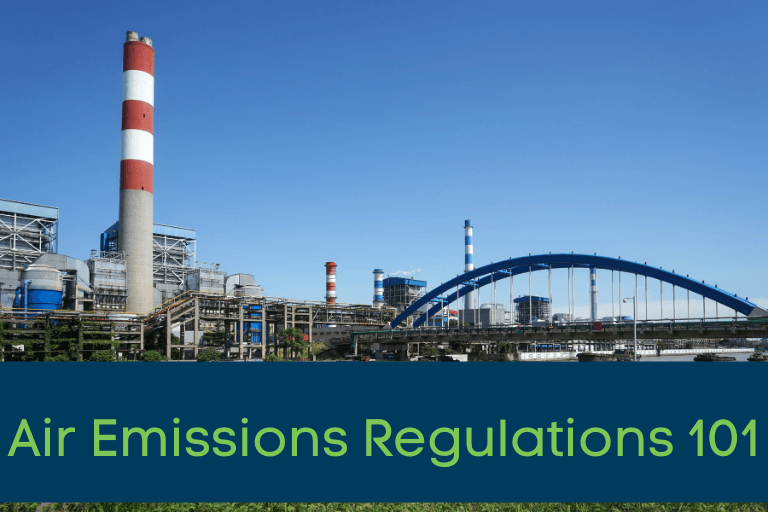
Air Emissions Regulations 101 provides an overview of EPA history, the similarities and differences between Part 60, 63 and 75 and ESC Spectrum’s role in monitoring and compliance.
Air Quality Compliance Reporting 101

Learn more about the activities required for 40 CFR Part 60/63 and 40 CFR Part 75 reporting and how ESC Spectrum can help!
Air Compliance Reporting: January is the Busiest Month of the Year

January is the busiest time of the year in the CEMS world for many reasons. The holiday season interrupts the day-to-day life and makes preparation for future activities more difficult. On top of that, January isn’t just a reporting month, but the reporting month; not only do you have to prepare quarterly reports, but also semiannual monitoring reports for Title V operating periods, and annual compliance reports. For most of the people involved in preparing and submitting these series of reports exhale a big breath of relief when it is finally done — but what’s next?
CEMS Data Review Checklists

Now is the perfect time for organizing to get ready for next year – from straightening your closet to cleaning up your desktop to staying on top of reviewing your CEMS data. There are many data points to track at different times of the year. To help make this process easier, we’ve created a series of CEMS Data Review Checklists to keep it all straight.
End of Year CEMS Checklist
December can be a challenging time to prepare for the New Year: it’s cold, and the upcoming holidays interfere with your attempts to get everything done on time! That’s why we have created a list of critical CEMS items you should address before the final countdown to ensure a Happy New Year.